A practical packing list for a Kenya safari: clothing, sun and health items, cameras, documents and what to leave at home.
Packing for a safari is mostly about comfort, sun protection and keeping luggage light. The right items make long game drives more enjoyable, and an overpacked bag can be a nuisance, especially if you fly on small aircraft. This list covers the essentials for a typical Kenya safari, with a few notes on what to leave at home.
Bags and luggage
Soft-sided duffel bags are much easier to load into safari vehicles and light aircraft than hard suitcases. Small planes between camps often have strict weight limits, commonly around 15 kg per person including hand luggage, but this varies by airline. We confirm the exact limit when your itinerary includes flights. A small daypack is useful for carrying a camera and water on game drives.
Clothing
Colours and fabrics
Neutral colours such as khaki, olive, tan and soft brown blend into the landscape and hide dust. Avoid very bright colours and white, which show dirt. Dark blue and black are often recommended against in areas with tsetse flies, since the insects are attracted to them. Lightweight, breathable cotton or quick-dry fabrics are comfortable in warm weather.
What to bring
- Several lightweight long-sleeved shirts and short-sleeved tops
- Long trousers and a pair of shorts
- A warm fleece or jacket for early mornings and evenings, which can be cold on open vehicles
- A light waterproof jacket, especially in the rainy months
- Comfortable walking shoes or trainers, plus sandals for camp
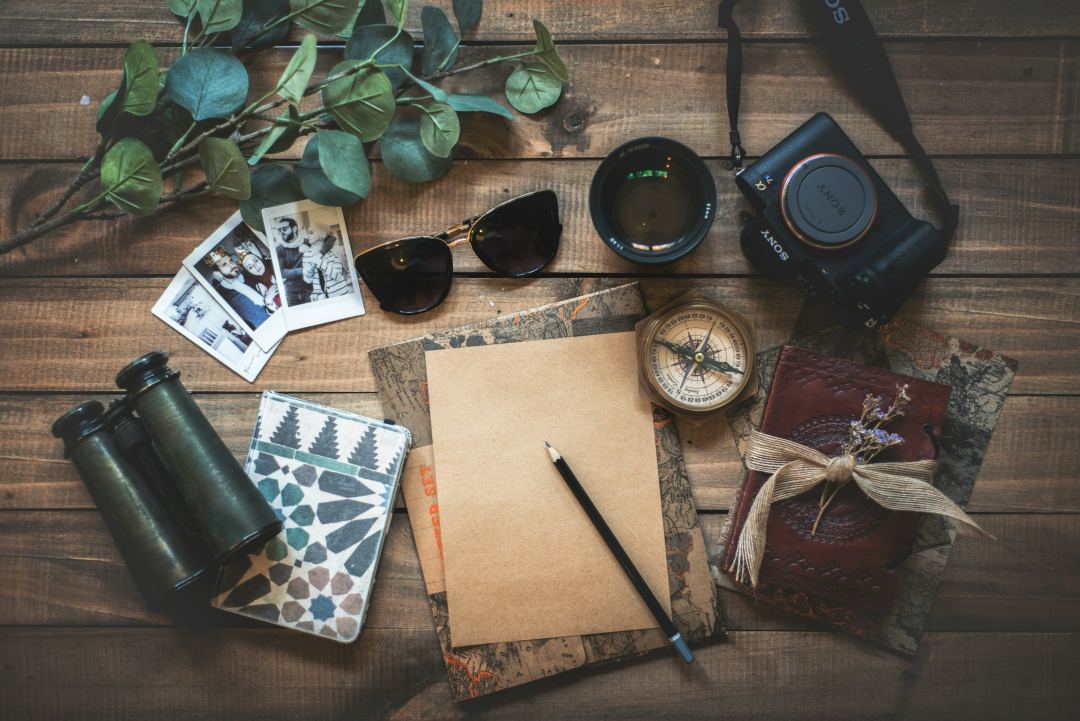
- A wide-brimmed hat and sunglasses
- Swimwear if your camp has a pool, or if you are heading to the coast
Sun, insects and health
- High-factor sunscreen and lip balm
- Insect repellent suitable for tropical use
- Any prescription medicines in their original packaging, with a copy of the prescription
- A basic first-aid kit: plasters, antiseptic, pain relief and anything you usually take for stomach upsets
- Hand sanitiser and wet wipes, which are useful on long drives
Malaria is present in parts of Kenya, and requirements vary by region and traveller. Speak to a doctor or travel clinic well before you travel for personal advice on preventive medicines and vaccinations.
Cameras and gadgets
- A camera with a zoom lens, or a good smartphone with a zoom function
- Binoculars, ideally 8x42 or 10x42, which make a real difference to wildlife viewing
- Extra memory cards and spare batteries
- A power bank, since charging at camps may be limited to certain hours
- A UK-style three-pin plug adapter (Kenya uses Type G sockets, at 240 volts)
- A dust cover or zip-lock bag to protect electronics
Documents and money
- Passport valid for the period required by Kenya, and any entry authorisation you need, printed or saved offline
- Travel insurance details, including emergency contacts
- A small amount of cash for tips and souvenirs; many places accept cards and mobile payments, but not all do
- Flight tickets and your itinerary
Entry rules change, so check the official Kenyan government travel information before you travel.
Things to leave at home
- Single-use plastic bags. Kenya restricts plastic carrier bags, so bring a reusable cloth bag instead and check current rules before travelling.
- Camouflage clothing. It is restricted for civilians in several East African countries, so avoid it.
- Drones, unless you have checked the rules and obtained permission. Drone use in parks is tightly controlled.
- Expensive jewellery and anything you would hate to lose.
Small extras that help
- A refillable water bottle
- A neck scarf or buff to keep dust out
- A small torch or headlamp
- A book or journal for downtime between drives
Need more guidance?
When we plan your trip, we send tailored packing advice that reflects your route, the season and the camps you stay in. Tell us about any special needs, such as dietary requirements or mobility concerns, so we can plan around them.