Practical advice for first-time safari travellers: choosing parks, length, season, guides, documents, health and responsible behaviour.
A first safari can feel overwhelming. There are many parks, many camps and a lot of conflicting advice. These tips cover the decisions that matter most for first-time visitors to Kenya, with a focus on keeping the trip comfortable, flexible and well matched to your expectations.
Decide what you most want to see
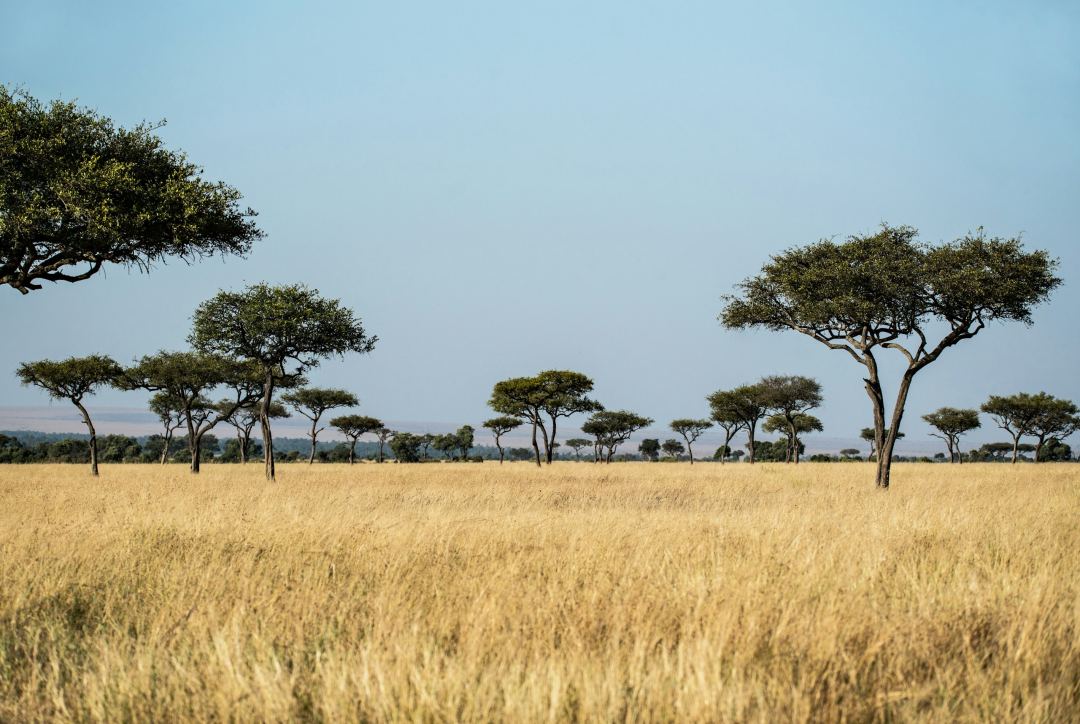
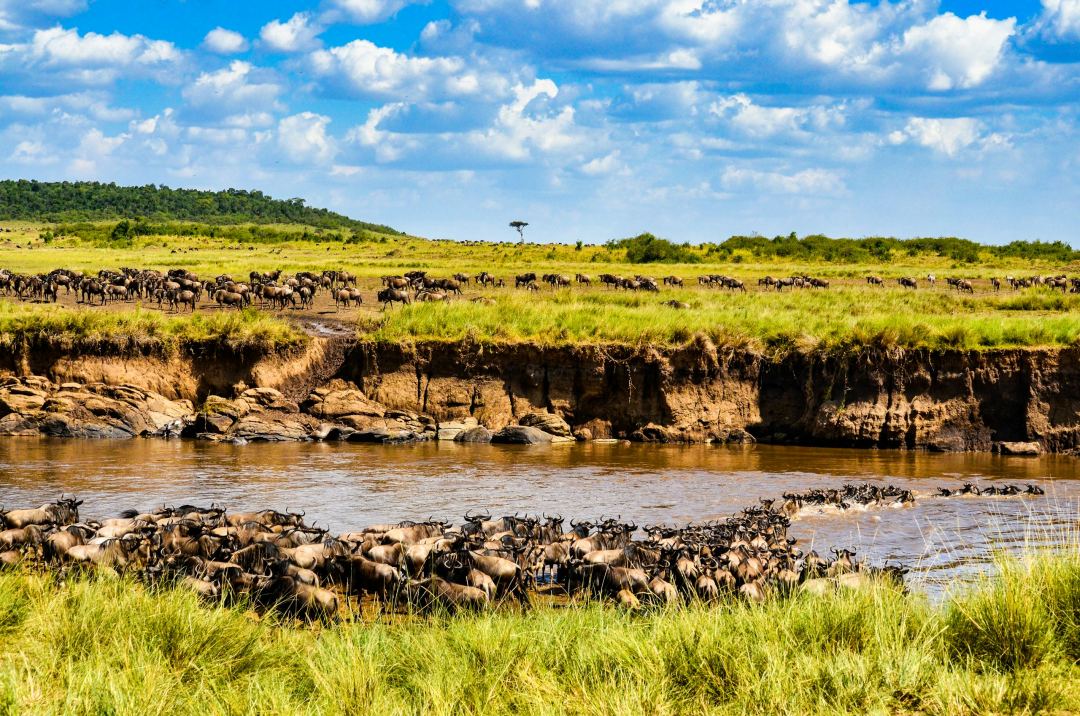
Different parks specialise in different things. The Masai Mara is known for big cats and the wildebeest migration. Amboseli is famous for elephants and views of Kilimanjaro. Samburu offers species found only in the dry north, and Lake Nakuru is good for rhinos. A short list of priorities helps us recommend the right combination.
Allow enough time
Three nights is a practical minimum for a single area, especially in the Masai Mara, so that one quiet drive does not define the trip. Five to seven days lets you combine two or three areas without rushing. Travel days in Kenya can be long because roads are slow, so be realistic about how much you can fit in.
Consider the season
The dry months from June to October are the most popular because wildlife is easier to find. January and February are also dry. The long rains in April and May bring lush scenery, fewer visitors and some muddy roads. Each season has its own appeal, so choose based on your priorities and tolerance for uncertainty.
Choose your guide and vehicle carefully
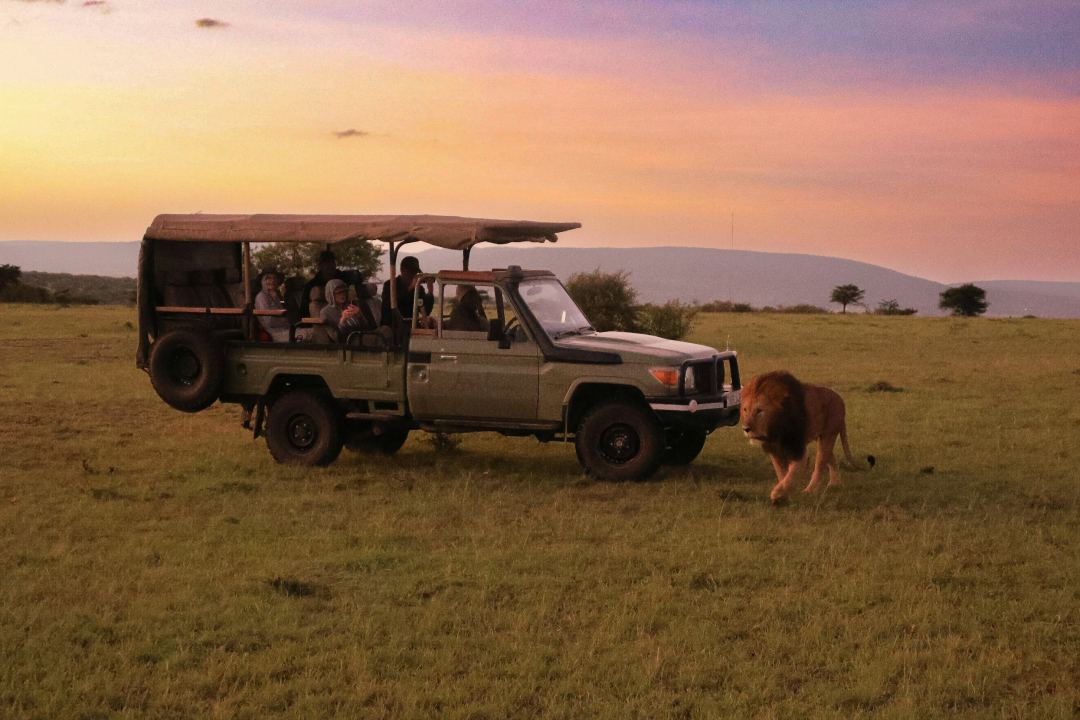
A knowledgeable driver-guide shapes your experience more than almost anything else. Look for guides who explain what you are seeing, understand animal behaviour and respect park rules. Standard safari vehicles are 4x4 vehicles with a pop-up roof so everyone has a window seat. Ask how many people share a vehicle, as fewer passengers means more room and better photography.
Be ready for early starts
Animals are most active at dawn and late afternoon. Game drives often leave around sunrise and again in the afternoon, with rest in the middle of the day. If you prefer a slower pace, tell us and we can plan fewer or shorter drives.
Manage your expectations
Wildlife is wild. Seeing a leopard or a river crossing is never guaranteed, and some days are quieter than others. The best safari attitude is curiosity: enjoy the birds, the landscape and the smaller moments, and treat big sightings as a bonus.
Sort out travel documents early
Kenya has moved to an electronic travel authorisation system for many visitors, and rules differ by nationality and can change. Check the official Kenyan government website well before travel, and be careful with lookalike sites that charge extra fees. Make sure your passport has enough validity and blank pages.
Think about health
Visit a doctor or travel clinic several weeks before you leave to discuss vaccinations and malaria prevention for your situation. Pack any regular medicines, insect repellent and sun protection. Drink bottled or treated water unless your camp advises otherwise.
Pack light and sensibly
Use a soft bag, bring neutral clothing and layers, and pack binoculars and a camera. If you fly between camps, baggage limits can be strict. See our packing guide for a fuller checklist.
Budget for extras
Beyond your package, plan for tips, drinks, optional activities such as balloon flights, travel insurance and souvenirs. Tipping is customary but not compulsory, and we can give you a general idea of what travellers typically do when we send your quote.
Travel responsibly
- Keep a respectful distance from animals and never feed them.
- Stay in the vehicle unless your guide says it is safe to get out.
- Take your litter with you and avoid single-use plastics where possible.
- Ask before photographing people, and respect local customs.
- Choose camps and operators that support conservation and local communities.
Ask for help
You do not need to have all the answers. Tell us your dates, interests and budget, and we will suggest a route that suits you and explain the reasons behind each choice.