Wildlife is good all year, but the season shapes what you see. A month-by-month guide to dry and green seasons, the migration and quieter times.
The Masai Mara is a year-round destination, but the experience changes noticeably with the seasons. The best time for you depends on whether you prioritise the wildebeest migration, quieter roads, lower prices or the greenest scenery. This guide explains what each part of the year is usually like, so you can match your dates to what you most want to see.
The short answer
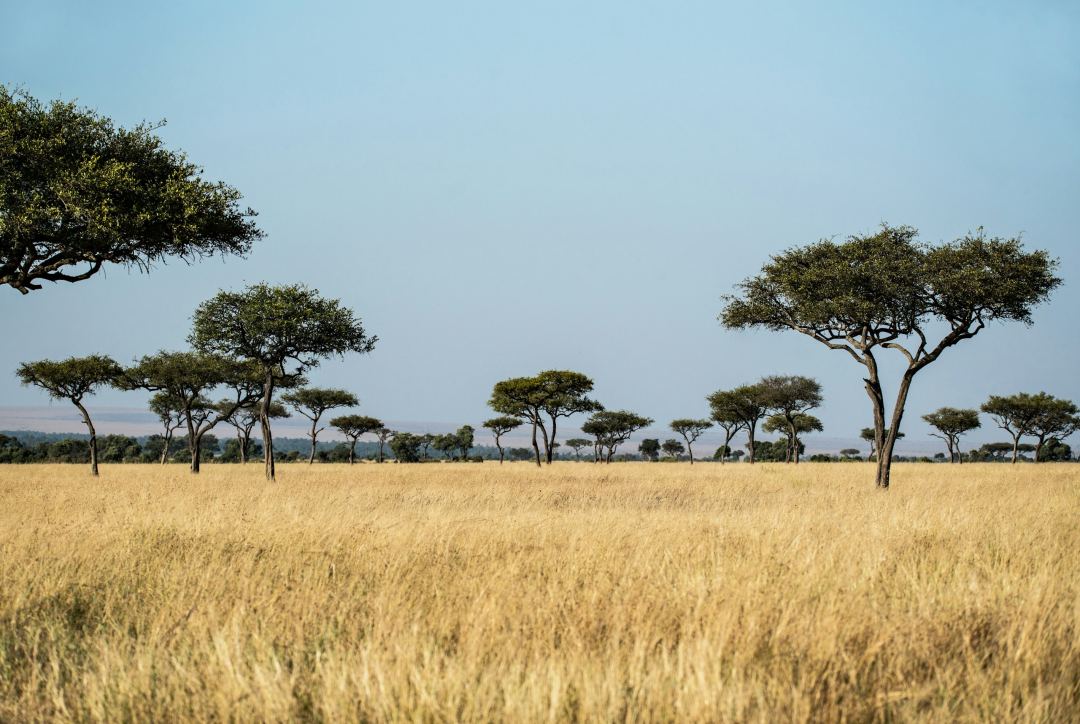
For most first-time visitors, the dry months from late June to October are the safest choice. Grass is shorter, animals gather near water and the wildebeest migration is normally in the reserve. If you prefer fewer vehicles and are happy to take a little weather risk, January, February and the shoulder months either side of the migration are worth considering.
Month-by-month overview
January and February
These are generally warm and dry, with occasional showers. Grass is often still fairly green after the short rains, and many resident animals have young. Visitor numbers are lower than in August, so roads and sightings can feel less crowded. Big cats are present all year, though taller grass can make them harder to spot.
March to May
The long rains usually fall between March and May, with April and May typically the wettest. Tracks can turn to mud, some camps close or reduce services, and game drives can be slower. In return, the scenery is lush, birdlife is excellent, and prices are usually lower. This is the least predictable period, so build flexibility into your plans.
June
The rains ease and the landscape begins to dry out. Wildebeest and zebra often begin to arrive from Tanzania toward the end of the month or in July, but the timing depends on rainfall and grazing, so no one can promise exact dates.
July to October
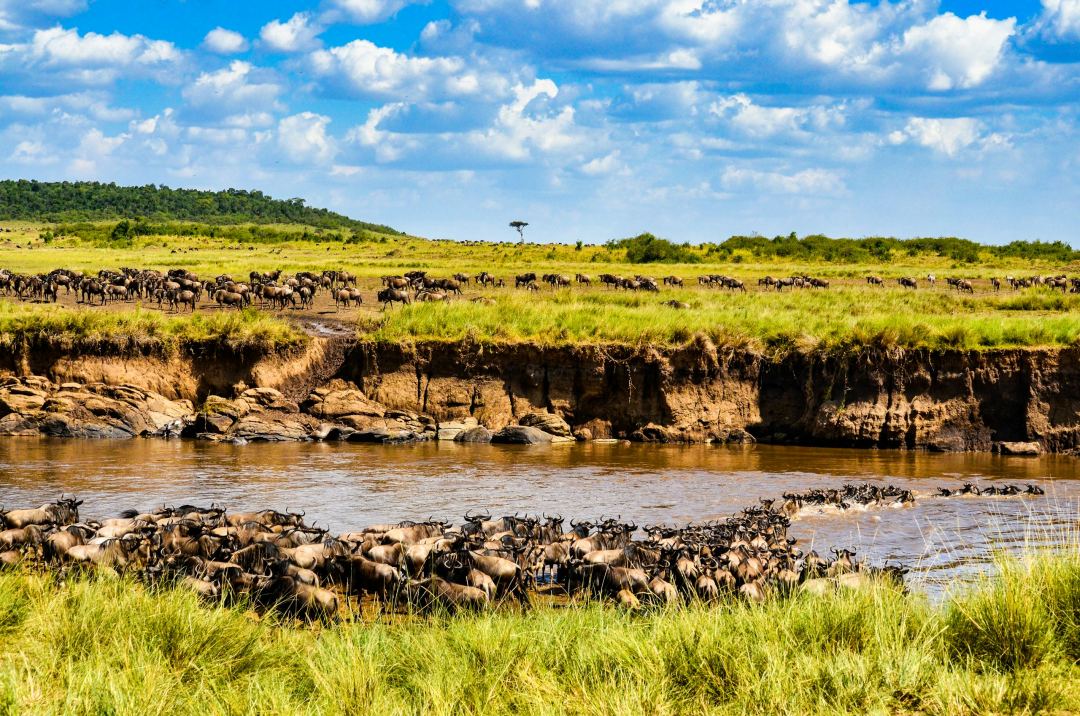
This is the classic safari season. The weather is mostly dry, mornings are cool and clear, and wildlife concentrates near the Mara River and its tributaries. The migration is normally in the reserve during this period, and river crossings are possible. It is also the busiest period, so book accommodation early and expect more vehicles at popular sightings.
November and December
The short rains usually begin in November. They are less intense than the long rains, with showers that often come in the afternoon. The migration herds head back south, and the reserve becomes quieter and greener. Many travellers find this a rewarding time for photography, with dramatic skies and fewer people.
What about the migration?
The wildebeest migration is a continuous movement around the wider Mara-Serengeti ecosystem and does not follow a fixed timetable. In Kenya, herds usually arrive between July and September and leave around October or November. Crossings of the Mara River happen when the herds decide to cross, which can be several times a day or not at all for several days. If seeing a crossing is your priority, plan at least three nights in the Mara and be patient.
Choosing a camp location
Your choice of base can matter as much as the month. Camps close to the Mara River are well placed during the migration. Camps in the private conservancies that border the reserve usually allow off-road driving and night drives, subject to conservancy rules, and have lower vehicle numbers. If you want these features, discuss them with us when planning.
Practical tips for any season
- Pack layers. Early mornings on game drives are cool, even in the dry season.
- Bring binoculars and a camera with a zoom lens.
- Allow at least two or three nights, so that a single poor day does not define your visit.
- Check travel requirements, including entry authorisation, well before you travel, as rules can change.
- Ask a doctor or travel clinic about health precautions, including malaria, in good time.
Getting help choosing dates
If you are unsure when to go, tell us your preferred dates, group size and what you most want to see. We can suggest the most suitable time and a camp to match, and explain the trade-offs honestly. The Masai Mara rewards visitors in every season, as long as expectations fit the time of year.